The convenience of instant soup packets has made them a pantry staple in households worldwide. With just hot water and a quick stir, these flavor-packed powders or cubes transform into comforting bowls of soup. However, nutritionists have long raised concerns about the sky-high sodium content lurking in these convenient products.
Most commercial instant soup mixes contain between 800-1200mg of sodium per serving - that's 35-50% of the recommended daily intake in just one small packet. For health-conscious consumers or those monitoring their blood pressure, this presents a serious dilemma. The good news? With some simple dilution techniques and creative ingredient swaps, you can significantly reduce the sodium impact while still enjoying these quick meal solutions.
Understanding the Sodium Problem
The excessive sodium in instant soups serves multiple purposes - it acts as a preservative, enhances flavor, and helps the dried ingredients reconstitute properly. Manufacturers rely on salt (sodium chloride) as the cheapest, most effective way to achieve that familiar savory taste we associate with homemade soup. What gets lost in this chemical equation is our health; regular consumption of such high-sodium products has been linked to hypertension, heart disease, and stroke risk.
When examining nutrition labels, don't just look at the "per serving" sodium content. Many packets actually contain 2-2.5 servings despite being commonly consumed in one sitting. This sneaky labeling practice means you might be ingesting nearly a full day's worth of sodium from what seems like a light lunch option.
The Art of Dilution
The simplest method to reduce sodium intake is diluting the soup mix with additional water. Most instructions call for 1 cup (240ml) of water per packet. Try using 1.5 or even 2 cups instead. While this will make the flavor less intense, it can cut the sodium concentration by 25-50% immediately. The key is finding your personal balance between flavor satisfaction and health considerations.
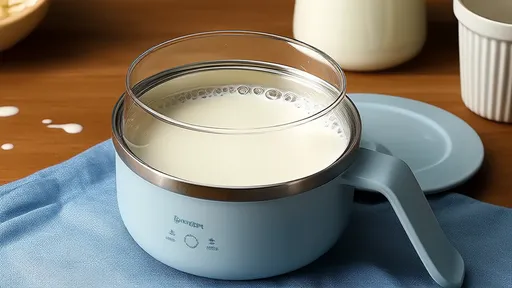
For cream-based soups like mushroom or chicken corn chowder, replace half the water with unsweetened almond milk or lactose-free milk. The creamy texture helps compensate for the diluted flavor while adding beneficial nutrients like calcium and vitamin D. The natural sweetness of milk products can also help reduce perceived saltiness.
Flavor Boosters That Don't Rely on Salt
When you dilute soup mixes, you'll want to add back some flavor complexity without simply reaching for the salt shaker. Keep a pantry stocked with sodium-free flavor enhancers like garlic powder, onion powder, smoked paprika, or nutritional yeast. A pinch of any these can restore depth to watered-down soups.
Fresh ingredients make excellent sodium-neutral flavor amplifiers. Stir in a handful of chopped spinach, kale, or mushrooms during the last minute of heating. The vegetables add texture, nutrients, and umami richness. For Asian-style soups, a squeeze of lime juice and some fresh cilantro brightens up the flavor profile dramatically.
The Power of Bulk Cooking
One innovative approach involves treating instant soup packets as seasoning bases rather than complete meals. Cook a large pot of homemade soup using fresh vegetables, lean proteins, and whole grains, then use just half a packet of instant soup mix per serving to provide the savory backbone. This hybrid method gives you control over sodium levels while maintaining convenience.
For example, sauté onions, carrots, and celery in olive oil, add low-sodium chicken broth and shredded chicken, then finish with just enough instant noodle soup powder to taste. You've essentially created a healthier "semi-homemade" version with perhaps one-third the sodium of the standard preparation.
Hydration Matters
When consuming higher sodium foods, even after dilution, it's crucial to drink plenty of water throughout the day. Proper hydration helps your kidneys flush out excess sodium more efficiently. Herbal teas and infused waters make excellent accompaniments to diluted soups, creating a more balanced meal experience.
Consider pairing your reduced-sodium soup with naturally diuretic foods like cucumber slices or watermelon. These foods contain compounds that may help counteract some of sodium's water-retention effects. The combination makes for a light yet satisfying meal that won't leave you feeling bloated.
Gradual Reduction for Lasting Change
Your taste buds adapt to salt levels over time. If you're used to full-strength instant soups, sudden drastic dilution might leave you unsatisfied. Try gradually increasing the water amount by 10% each time you prepare a packet. Within a few weeks, you'll likely find the original preparation unbearably salty.
Keep a journal noting your dilution ratios and any added flavor boosters. This helps identify which combinations work best for your palate. You might discover that certain soup flavors tolerate more dilution than others - tomato-based varieties often maintain good flavor at higher dilution rates compared to clear broths.
Reading Between the Label Lines
Not all instant soup brands are created equal when it comes to sodium content. Some specialty brands now offer reduced-sodium versions, though these often still contain 500-700mg per serving. When shopping, compare the "per 100g" sodium values rather than just the per-serving amounts, as serving sizes can vary misleadingly between brands.
Watch for terminology tricks - "low sodium" has a legal definition (140mg or less per serving), but terms like "reduced sodium" or "lightly salted" have no standardized meaning. A product labeled "25% less sodium" might still be extremely high in absolute terms if the original version was exceptionally salty.
The Psychological Aspect
Part of instant soup's appeal lies in its intense, immediate flavor hit - something that's directly tied to its high sodium content. When diluting these products, it helps to reframe your expectations. Instead of craving that initial salt rush, focus on the comforting warmth and convenience aspects. Over time, you'll come to appreciate the more subtle flavors that emerge when salt isn't dominating your taste buds.
Presentation matters too. Serving diluted soup in a nice bowl with attractive garnishes can make it feel more substantial and satisfying. The visual appeal compensates somewhat for the reduced flavor intensity, tricking your brain into greater enjoyment.
Long-Term Solutions
While these dilution techniques help mitigate instant soup's sodium impact, consider them stepping stones toward healthier eating patterns. As you grow accustomed to lower-sodium flavors, experiment with making simple soups from scratch using salt-free stock and fresh herbs. Many quick homemade soups require only slightly more effort than opening a packet but offer vastly superior nutrition.
Keep a few emergency instant soup packets for truly busy days, but aim to transition toward mostly whole-food alternatives. Your taste preferences and cardiovascular system will thank you for finding this balance between convenience and health consciousness.

By /Aug 15, 2025
By /Aug 15, 2025

By /Aug 15, 2025

By /Aug 15, 2025

By /Aug 15, 2025

By /Aug 15, 2025

By /Aug 15, 2025

By /Aug 15, 2025
By /Aug 15, 2025
By /Aug 15, 2025

By /Aug 15, 2025

By /Aug 15, 2025
By /Aug 15, 2025

By /Aug 15, 2025
By /Aug 15, 2025

By /Aug 15, 2025

By /Aug 15, 2025

By /Aug 15, 2025

By /Aug 15, 2025

By /Aug 15, 2025