The safety of children when consuming jelly products has become a growing concern among parents and health experts worldwide. While these sweet, wobbly treats are undeniably popular among kids, their potential choking hazards and questionable nutritional value raise important questions. Understanding the appropriate serving size, age recommendations, and safety precautions can help caregivers make informed decisions about allowing children to enjoy these snacks.
Choking hazards remain the primary safety concern when it comes to children eating jelly products. The smooth, slippery texture that makes jellies so appealing can also make them dangerous, particularly for younger children whose swallowing reflexes aren't fully developed. Numerous case studies have documented tragic incidents where children choked on jelly cups or similar products. Pediatric organizations consistently warn that the shape and consistency of many jelly products create a perfect storm for airway obstruction, especially when children are eating while moving, laughing, or lying down.
Medical professionals emphasize that the safest approach is to avoid giving traditional jelly products to children under four years old. For older children, careful supervision during consumption becomes crucial. Some manufacturers have responded to these concerns by creating specially designed jelly products with safer textures or smaller, more manageable portions. However, even with these modified products, parental vigilance remains essential to prevent accidents.
Beyond the immediate choking risk, the nutritional content of jelly products warrants careful consideration. Most conventional jellies contain high amounts of sugar, artificial colors, and flavors with minimal nutritional benefits. Regular consumption can contribute to dental problems, unhealthy weight gain, and the development of poor eating habits. Some health-conscious parents opt for homemade versions using natural fruit juices and reduced sugar, though these alternatives still require the same safety precautions regarding portion size and consumption methods.
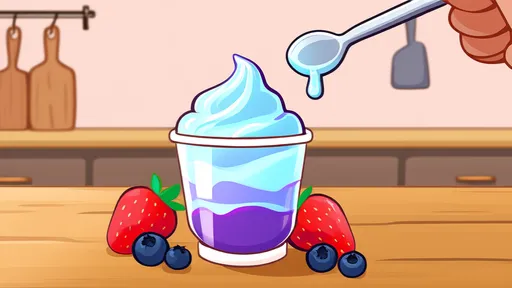
The appropriate serving size for children varies significantly by age and individual development. For preschoolers (ages 4-6), experts recommend limiting jelly consumption to no more than one small cup (about 50g) per sitting, always under direct adult supervision. School-aged children can typically handle slightly larger portions, but moderation remains key due to the sugar content. It's worth noting that jelly should never replace more nutritious snack options like fresh fruits or yogurt in a child's diet.
Proper serving techniques can enhance safety when children do consume jelly products. Cutting jelly into smaller, irregular pieces (rather than leaving it in smooth, rounded shapes) can reduce choking risks. Encouraging children to sit upright at a table, take small bites, and chew thoroughly creates safer eating habits. Many pediatric nutritionists suggest using jelly as an occasional treat rather than a regular snack, combining it with healthier foods like fruit salads to improve its nutritional profile while maintaining portion control.
International food safety agencies have implemented various regulations regarding jelly products marketed to children. Some countries require warning labels about choking hazards, while others have banned certain shapes or sizes altogether. Parents should familiarize themselves with these guidelines and look for products that comply with the strictest safety standards. When in doubt, consulting with a pediatrician about appropriate snack choices for a child's specific age and development stage can provide valuable personalized advice.
The debate around jelly safety extends beyond the home environment, as many schools and childcare facilities have implemented policies restricting these products. Some institutions have completely banned jelly snacks, while others allow them only for older children under specific conditions. These policies often reflect broader concerns about both choking hazards and nutritional value, highlighting how jelly consumption intersects with larger discussions about children's health and safety.
Emerging alternatives to traditional jelly products offer potential solutions to these safety concerns. Some companies now produce jelly-like snacks with modified textures that dissolve more easily or contain built-in air channels to prevent complete airway obstruction. Others have developed jelly products specifically designed to promote safer eating practices, such as those requiring spoon use which naturally slows consumption. While these innovations show promise, they haven't completely eliminated risks, and traditional safety precautions still apply.
Parents and caregivers should remain aware that no amount of safety engineering can replace attentive supervision when children are eating potentially hazardous foods. Even with improved product designs and clearer warning labels, accidents can still occur if basic safety practices aren't followed. Creating a calm eating environment, teaching proper chewing and swallowing techniques, and being prepared to respond to choking incidents all form crucial parts of responsible jelly consumption for children.
As research continues to evolve, best practices for children's jelly consumption may change. Currently, the consensus among health professionals emphasizes caution, moderation, and vigilance. By understanding the risks, implementing safety measures, and making informed choices about when and how to introduce these treats, parents can help ensure that jelly remains a fun occasional snack rather than a preventable health hazard for children.

By /Aug 15, 2025
By /Aug 15, 2025

By /Aug 15, 2025

By /Aug 15, 2025

By /Aug 15, 2025

By /Aug 15, 2025

By /Aug 15, 2025
By /Aug 15, 2025
By /Aug 15, 2025
By /Aug 15, 2025

By /Aug 15, 2025

By /Aug 15, 2025
By /Aug 15, 2025

By /Aug 15, 2025
By /Aug 15, 2025

By /Aug 15, 2025

By /Aug 15, 2025

By /Aug 15, 2025

By /Aug 15, 2025

By /Aug 15, 2025