Microwaving milk seems like a simple task, but anyone who’s tried it knows the frustration of dealing with sudden boil-overs and messy splatters. The science behind why milk behaves unpredictably in the microwave is often overlooked, but understanding it can make the process smoother. Unlike water, milk contains proteins, fats, and sugars that react differently to heat, creating a perfect storm for unexpected eruptions. The key to avoiding this lies in both technique and a bit of patience.
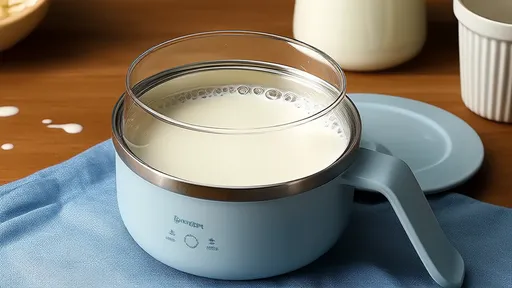
One of the biggest mistakes people make is assuming milk heats at the same rate as other liquids. The fats in milk absorb microwave energy unevenly, causing hot spots that can lead to rapid boiling and splattering. To prevent this, stirring the milk every 15-20 seconds is crucial. This redistributes the heat and prevents localized overheating. Another trick is to use a microwave-safe container with extra headspace, allowing room for expansion without spillage. A shallow, wide bowl works better than a tall, narrow mug because it spreads the milk’s surface area, reducing the chance of sudden eruptions.
Temperature control is another critical factor. Microwaves vary in power, and blasting milk at full heat almost guarantees a mess. Instead, opt for medium power (50-70%) and heat in shorter intervals. This gentler approach gives the milk time to warm evenly without the risk of superheating, where the liquid surpasses its boiling point without visible bubbles. If you’ve ever taken milk out of the microwave only to see it suddenly erupt when stirred, you’ve witnessed superheating in action. A wooden chopstick or spoon left in the container during heating can help by providing nucleation sites for bubbles to form, releasing steam gradually.
The type of milk also plays a role. Whole milk, with its higher fat content, behaves differently than skim or plant-based alternatives. Skim milk heats faster and is more prone to bubbling over, while dairy-free options like almond or oat milk may separate if overheated. For thicker liquids like cream or condensed milk, even lower power settings and frequent stirring are necessary. If you’re reheating milk for coffee or tea, consider warming it separately rather than adding cold milk to a hot drink, which can create uneven temperatures and increase the risk of curdling.
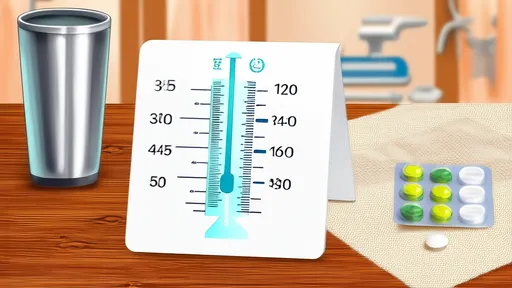
Beyond technique, the container’s material matters. Glass or ceramic heats more evenly than plastic, which can create hot spots. Avoid using containers with tight lids, as trapped steam increases pressure and the likelihood of explosions. Instead, cover the milk loosely with a microwave-safe plate or paper towel to contain splatters while allowing steam to escape. For those who regularly heat milk, investing in a microwave-safe thermometer can help monitor the temperature and avoid overheating. Ideally, milk should be heated to around 150°F (65°C)—hot enough for most uses but below the boiling point.
Finally, don’t underestimate the power of letting the milk rest after heating. Even after removing it from the microwave, residual heat can continue to raise the temperature. Giving it a minute to settle allows the heat to distribute more evenly and reduces the chance of unexpected eruptions. Whether you’re making a latte, warming milk for a recipe, or preparing a bedtime drink, these small adjustments can save time, cleanup, and frustration. With a bit of practice, microwaving milk can become a hassle-free part of your routine.

By /Aug 15, 2025

By /Aug 15, 2025

By /Aug 15, 2025

By /Aug 15, 2025

By /Aug 15, 2025

By /Aug 15, 2025

By /Aug 15, 2025

By /Aug 15, 2025
By /Aug 15, 2025
By /Aug 15, 2025

By /Aug 15, 2025

By /Aug 15, 2025
By /Aug 15, 2025

By /Aug 15, 2025

By /Aug 15, 2025

By /Aug 15, 2025

By /Aug 15, 2025

By /Aug 15, 2025

By /Aug 15, 2025

By /Aug 15, 2025