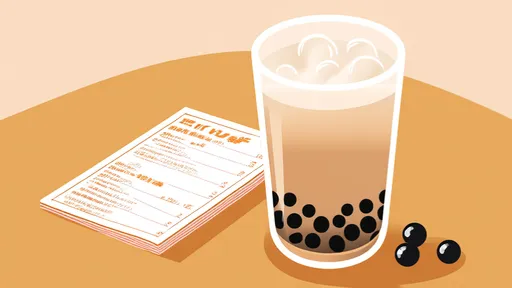
The rise of bubble tea as a global phenomenon has brought with it an increased awareness of health and nutrition. While many consumers opt for "sugar-free" or "zero-sugar" versions of their favorite drinks, believing them to be a healthier alternative, the reality is far more nuanced. Hidden calories and sneaky additives often lurk beneath the surface of these seemingly innocent choices, turning what appears to be a guilt-free indulgence into a caloric minefield.
At first glance, ordering a sugar-free milk tea might seem like the perfect compromise—flavor without the guilt. However, the absence of added sugar doesn’t necessarily mean the drink is low in calories. The base ingredients, such as milk, creamer, or non-dairy alternatives, often contain significant amounts of fat and natural sugars. For instance, condensed milk, a common ingredient in traditional milk tea, is inherently high in calories, even if no extra sugar is added. Similarly, non-dairy creamers frequently contain hydrogenated oils and sweeteners that contribute to the overall calorie count.
The toppings dilemma is another critical factor that many overlook. Boba pearls, jelly, pudding, and other popular add-ins are typically pre-sweetened, meaning they pack a substantial caloric punch regardless of whether the tea itself is sugar-free. A standard serving of boba pearls can add anywhere from 100 to 200 calories to a drink, primarily from carbohydrates and sugars used in their preparation. Even healthier-sounding options like aloe vera or chia seeds often come preserved in syrup, negating any potential benefits.
Another hidden culprit is the flavoring syrups used to enhance the taste of sugar-free drinks. Many cafes rely on these syrups to compensate for the lack of sweetness, but these additives are often loaded with artificial sweeteners or high-fructose corn syrup. While they may not register as "sugar" on the label, they can still spike blood sugar levels and contribute to calorie intake. Vanilla, caramel, and hazelnut syrups are particularly notorious for their hidden sugars and empty calories.
Portion sizes further complicate the issue. A large-sized sugar-free milk tea might seem harmless, but the volume alone means consuming more of the high-calorie base ingredients and toppings. What starts as a modest treat can quickly escalate into a calorie bomb simply due to the sheer quantity. This is especially true for specialty drinks that blend ice, milk, and flavorings into a creamy, dessert-like beverage—often containing as many calories as a full meal.
For those genuinely seeking a healthier option, customization is key. Opting for fresh milk instead of creamer, skipping or reducing toppings, and choosing natural sweeteners like stevia can make a noticeable difference. However, even these adjustments require vigilance, as not all cafes offer truly transparent ingredient lists. The best approach is to ask detailed questions about preparation methods and ingredient sources before placing an order.
The sugar-free milk tea trend highlights a broader issue in modern dietary habits—the illusion of healthiness. Marketing buzzwords like "zero sugar" or "low-calorie" can be misleading, encouraging consumers to underestimate what they’re actually consuming. Educating oneself about the hidden components of these drinks is essential for making informed choices. After all, the true cost of a sugar-free milk tea might not be measured in grams of sugar, but in the unnoticed calories that quietly add up.

By /Aug 15, 2025
By /Aug 15, 2025

By /Aug 15, 2025

By /Aug 15, 2025

By /Aug 15, 2025

By /Aug 15, 2025

By /Aug 15, 2025

By /Aug 15, 2025
By /Aug 15, 2025
By /Aug 15, 2025

By /Aug 15, 2025
By /Aug 15, 2025
By /Aug 15, 2025

By /Aug 15, 2025
By /Aug 15, 2025

By /Aug 15, 2025

By /Aug 15, 2025

By /Aug 15, 2025

By /Aug 15, 2025

By /Aug 15, 2025